Peter Hayward
SUMH Historian 2019-P
Peter Hayward was born in Chicago, Illinois and grew up in Barrington, forty miles northwest of the city. The third of three siblings. He never played hockey and barely skated. His passion in sports was directed toward golf, tennis, swimming and baseball. Later soccer was his go to team sport along with a brief sojourn, while in Ireland, into bicycle polo –“Tis good crack! Literally and figuratively” says Hayward who played as a member of the Irish Bicycle Polo Association and has three international caps to his credit.
Hayward was a hockey parent between 2002-2016, driving his son all over the northeast to hockey games, sometimes three different games in different states, like the preverbal mail deliverer – “neither snow nor rain nor heat nor gloom of night stays these couriers (hockey parents from the swift completion of their rounds”; add in sleet, flooding, hurricane weather and family holidays. Then from 2016-2020 he became an ever present fan watching his son, Peter-Owen Hayward skate for the Syracuse University Men’s Hockey program. Hayward became an active member of the SUMH Parents Communication Committee, responsible for serving as a communication liaison between the team and the rest of the parents/families. As happens while standing in the stands or mingling during pre- and post-game mixers conversations arose about how the team compared with previous years and various players from different seasons compared to each other, in short, the usual bar sport talk. Eventually, these conversations led to the idea of putting together a sports almanac on the team that would answer these questions/debates. Hayward says “I wanted to make a contribution to the team. I didn’t have deep pockets, but I had plenty of time, so I thought compiling an almanac on the team was the best contribution I could make.”
The project started in January 2019 with an expectation finish date of the end of the school year that May - as of this date (2026) is still in progress. Over the years the project has evolved and grown from its original intent of a brief program history and statistical almanac printed booklet into a more expansive undertaking involving creation of an annual alumni awards weekend celebration - including recognition of outstanding former players and program leaders and a venue for an alumni game -a website version of the history project and the rejuvenation of the SUMH alumni association. “My initial intent exploded into something much bigger” says Hayward “in part due to the research process bringing to light not only some of the great players from over the years, but the commitment and determination of those individuals who stepped up to save the program time when it was on the verge of collapse, as well as those others who helped evolve the program to a higher more serious and competitive level.” Hayward admits during the process he has found himself diverted down several “rabbit holes” concerning tangential areas related to the men’s hockey program such as the continual striving to attain NCAA D-1 status, the rise of the hockey houses, the development of the operations and communications unit of the program, and the numerous stories, some which will never be printed, of antics on and off the ice. “There are just so many interesting side stories and sub-plots” says Hayward “including the number of brothers who have played together and the euro trip to Russia-Estonia-Finland in 2024, they all deserve their own moment in the spotlight, and I feel I have to be the one to provide it.”
Hayward admits his first supposition about /expectation of club hockey was a lower level of hockey that allowed the kids to continue to skate and have fun. Then when he saw how competitive it was, his next thoughts went to SU should have a D1 NCAA team. And, finally that club hockey has evolved to a much higher level on a par with NCAA D-3 or lower-level D-1 competition. Also, that club sports in general offered something D-1 NCAA doesn’t offer, in a way they are unable to – that is to allow the student athlete to put their education first while still demonstrating a high level of commitment and passion to a game the players aren’t ready to quite on. This reawakened his own memories of playing collegiate club sports and the issues related to being recognized by the university and student news organizations, making him a strong advocate and supporter of competitive club sports and improving their recognition and support by universities in general. Don’t get him started on the topic.
The best and most rewarding aspect of the history project says Hayward “has been getting to know the vast array of former players, hearing their stories, seeing what it means to them to be recognized for something they had/have such a passion for, to assist with the recognition of former teammates and friends and to realize the importance of that comradery to them then and now. And the opportunity to bring recognition to those who have done so much to support and evolve the program”
As to Hayward’s future involvement with the history project, he intends to continue contributing bits and pieces to the web page and plans to print an abbreviated almanac. He sees himself stepping back from the coordination of the annual alumni awards weekend in a couple of years as more alumni step forward to take on various tasks. “It is encouraging” says Hayward “to see former honorees and alumni taking an active role in the continuation and evolution of the project.” Alumni of been instrumental in the addition of the Orange Jacket ceremony, establishment of the LinkedIn SUMH Career Network page and the quarterly Career Ted style talks by former Alumni, development of the history project webpage, improved communications with alumni, comprising award selector committees, and serving as advisors to the project.
Hayward was recognized in 2019 at the inaugural Alumni Awards celebration for his undertaking of the history project, the establishment of the Hall Fame and organization of the annual awards weekend event. Then in 2021 he was honored with the Richard Van Winkle Award. Hayward says “while I appreciate the recognition and honors presented me, I feel I am still working to earn them.” He continues “That will be when I finish the history project and pass on the coordination and organization of the award selection process and alumni weekend celebration to new leadership truly comprised of SUMH alumni.” For all he has done we thank you Peter Hayward.
Photos
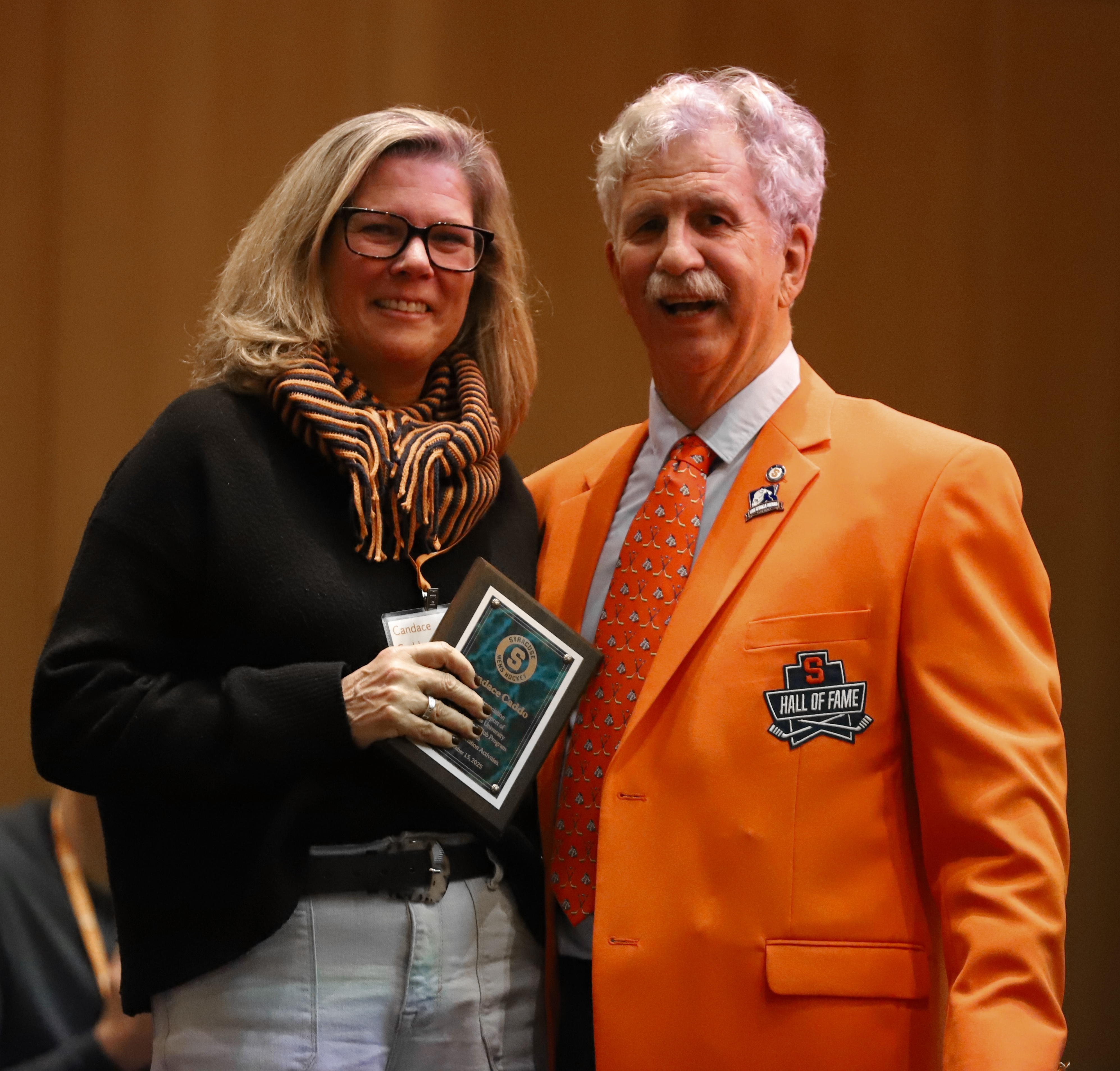
Peter Hayward, (Historian, VWA Recipient 2021) with Candace Caddo in 2025
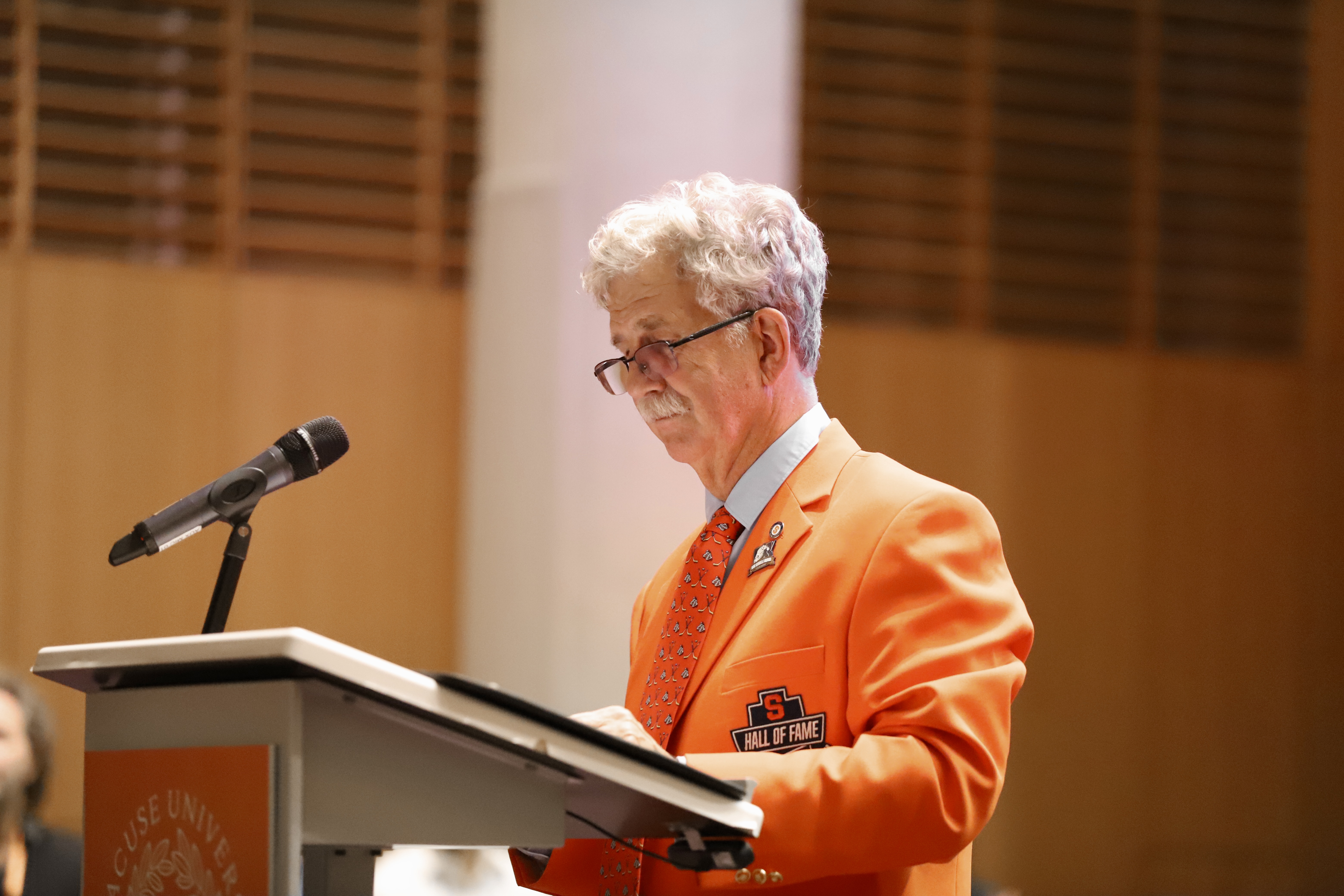
Peter Hayward, Nov 2025 (SUMH Historian, Alumni Awards Weekend Organizer, VWA Recipient 2021)
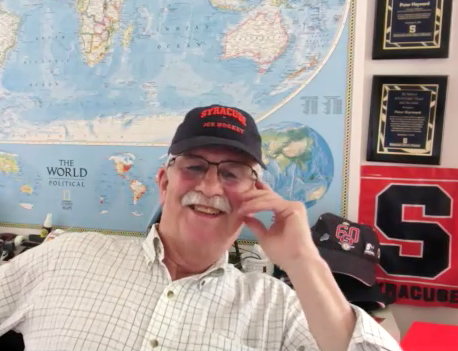
Peter Hayward, 2026 (SUMH Historian, Alumni Awards Weekend Organizer, VWA Recipient 2021)
History Project Logo